


It’s Never Too Late—or Too Early—to Plan Your Horse’s Biosecurity Shield
We Asked The Experts at Quakertown Veterinary Clinic
Q: It’s late in the season, and I feel like I’m always behind on vaccinations. Can you provide a schedule and explain what I should know so I can do better next year?
A: A horse owner’s winter and spring to-do list is usually packed with shedding blades, mud management, and a million other jobs, so it is easy for vaccinations to slip. But near the top of that list should be a conversation with your veterinarian about your horse’s “biosecurity shield.” Vaccination protocols continue to evolve as veterinarians respond to changing climate patterns and regional disease threats. Understanding the difference between core and risk-based vaccines is more than good horsemanship—it can be lifesaving
Core Vaccinations
Core vaccines protect against diseases that are widespread, potentially fatal, or a public-health concern. According to the American Association of Equine Practitioners, every horse needs them annually, whether a high-level competitor or a retired pasture pet.
- Rabies: Fatal in mammals and transmissible to people. In areas with bats, skunks, raccoons, and foxes, exposure is a constant risk.
- Tetanus: Horses are highly susceptible to the Clostridium tetani toxin found in soil. Even a small puncture wound can lead to often-fatal rigid paralysis.
- Eastern Equine Encephalomyelitis: Also called “sleeping sickness,” EEE is mosquito-borne, causes severe neurologic disease, and has a mortality rate exceeding 90%.
- Western Equine Encephalomyelitis: Less common in the East than EEE, but still included for broad protection against mosquito-borne neurologic disease.
- West Nile Virus: Another mosquito-borne threat. Mortality is lower than with EEE, but survivors may suffer devastating long-term neurologic damage.
The “Silent Killer”: Botulism
Although technically risk-based, many veterinarians consider botulism nearly core for horses in the Mid-Atlantic, especially in Kentucky, Pennsylvania, Maryland, and Virginia—the so-called “Botulism Belt.”
Botulism is caused by toxins produced by Clostridium botulinum, a soil-dwelling bacterium. It causes whole-body flaccid paralysis and is sometimes called “forage poisoning” in adult horses or “shaker foal syndrome” in youngsters.
Why It Matters
- Round-bale risk: The bacteria thrive in low-oxygen environments, including the centers of round bales, particularly those baled with excess moisture or stored outside.
- Soil exposure: Horses do not have to eat round bales to be at risk. Type B spores are naturally present in regional soil, so horses eating from the ground may be exposed.
- Severe consequences: A weak tongue, difficulty swallowing, and trembling muscles may signal disease. Treatment often requires hospitalization, can cost $10,000 to $20,000, and may still be unsuccessful.
The initial botulism series requires three doses given two to four weeks apart, followed by an annual booster. If your horse has never been vaccinated, begin before a problem occurs. Botulism is far easier to prevent than to treat.
Other Risk-Based Vaccines
These should be tailored to your horse’s lifestyle, location, travel schedule, and exposure.
Potomac Horse Fever
Potomac Horse Fever is a major concern throughout the Northeast and is not limited to the Potomac River region. Horses contract it by ingesting infected aquatic insects, including caddisflies and mayflies. It can cause fever, diarrhea, and laminitis. Many veterinarians recommend vaccination every six to 12 months, with timing focused on peak insect season in late spring.
Equine Influenza and Rhinopneumonitis
Flu and rhino are the “common colds” of the horse world: highly contagious and spread through the air, direct contact, or shared equipment. Many competition organizations require proof of vaccination within the previous six months. Even a horse that never leaves home may be exposed if another horse on the property travels.
These are not the only risk-based vaccines available. Your veterinarian can determine which additional protection your horse needs.
Timing and Administration
Vaccines do not provide immediate protection. The immune system generally needs two to four weeks to develop protective antibodies.
2026 Vaccination Cheat Sheet
| Vaccine | Best Time to Administer | Frequency |
| Core: EEE, WEE, WNV | Early spring, March or April | Annually |
| Rabies and Tetanus | Spring or fall | Annually |
| Botulism, Type B | Any time; begin as soon as possible | Three-dose initial series, then annually |
| Potomac Horse Fever | Late spring | Annually or semiannually |
| Flu/Rhino | Before show season | Every six months |
The Role of the Veterinarian
Although “DIY” vaccines are available, improper storage can make them ineffective. Veterinarian-administered vaccines ensure proper handling, a physical examination, valid documentation for boarding and travel, and access to some manufacturer guarantees if a vaccinated horse develops clinical disease.
A well-vaccinated horse is a resilient horse. Work with your veterinarian to create a protocol suited to your location, discipline, travel schedule, and individual horse.
Jennifer Murphy, DVM
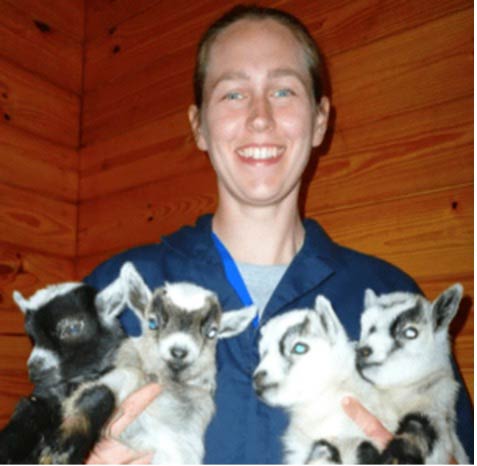
Dr. Jennifer Murphy joined Quakertown Veterinary Clinic after graduating from The Ohio State University in 2012. Her professional interests include reproduction, equine metabolic disease, and food-animal medicine and surgery; outside the clinic, she enjoys home renovation, baking, geocaching, and caring for her cat, two horses, and Boer goat herd.