


We asked the experts at ProFence
“What type of fencing is safest for horses, and how do you choose the right one for your farm—and budget?”
The foundation of horse safety starts with a simple but critical goal: making sure horses remain contained in their fields and on your property. Choosing fencing for horses is often framed as a question of materials—wood, vinyl, woven wire, or electric—but experienced horse owners know the real decision is about designing a system that matches the horses, the property, and the way the farm is managed.
Horses are powerful animals with strong flight instincts. When startled or during play, they may run toward a fence line, push against it, strike it with a hoof, or try to go over—or through—it. Because of that, good fencing must do more than define a boundary. It must be visible, structurally sound, and designed to reduce the risk of entanglement or injury.
Most successful horse farms do not rely on a single fencing solution. Instead, they combine different fence types strategically—strong containment where it matters most, flexible systems where pasture management requires it, and reinforcements in areas where horses tend to apply pressure.
Match the Fence to the Horse
The first rule of thumb is to consider the horses themselves. Age, temperament, and training level can all influence fencing needs.
Young horses, for example, are curious and more likely to test boundaries. Foals and yearlings may paw at fencing, lean on it, or attempt to push through openings. For these horses, many professionals recommend no-climb woven wire fencing with smaller mesh openings, often paired with a visible top board. The tighter mesh helps prevent hooves from slipping through the fence, while the board improves visibility and structural strength. Smaller mesh openings are especially important for shod horses, since larger openings can catch a horseshoe or hoof and lead to serious leg injuries.
Stallions or highly dominant horses may require stronger fencing systems. Farms housing stallions or managing multiple herds sometimes install double fencing between paddocks, leaving several feet of space between fence lines to prevent horses from kicking or biting across the boundary.
Horses that already respect fencing can often be managed with lighter systems inside the property. Hot Cote fencing is widely used for dividing pastures and supporting rotational grazing. Compared with thin electric wire, Hot Cote is generally safer because it is far more visible to horses, reducing the likelihood of accidental contact or collisions. It is also relatively inexpensive and easy to install, which makes it a practical option for interior pasture divisions.
Perimeter vs. Interior Fencing
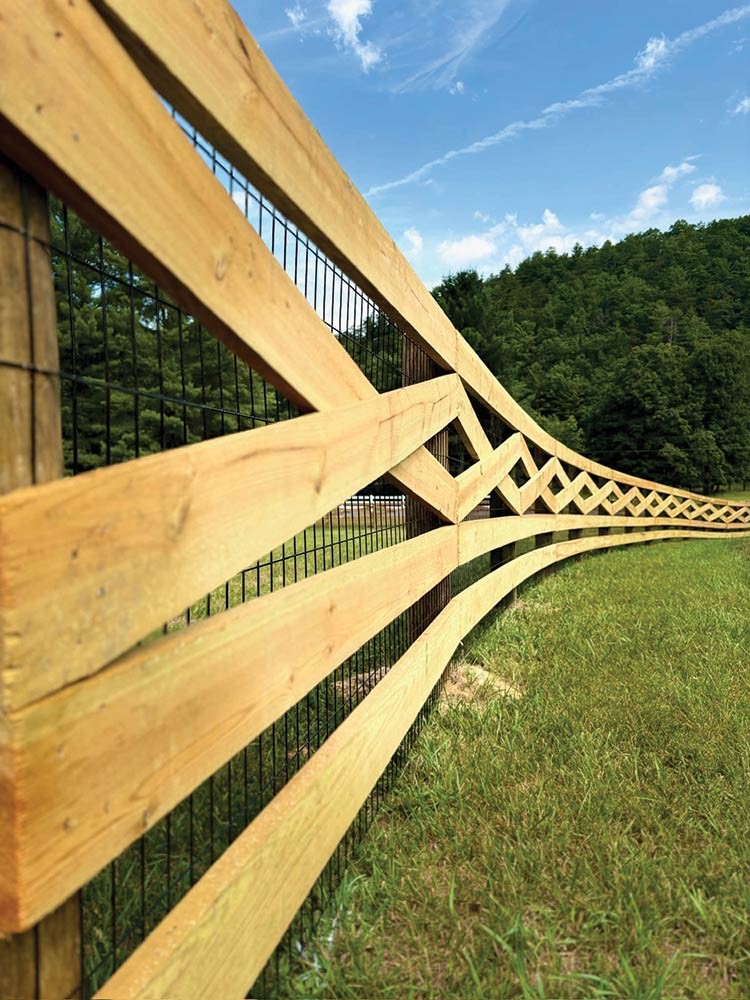
As a general rule, the perimeter fence should be the strongest and most reliable fence on the property because it serves as the primary containment barrier. Common options include woven wire with a top board, traditional wood board fencing, or reinforced vinyl rail fencing.
Vinyl Horse Rail fencing has grown in popularity not only because it requires less maintenance than wood, but also because quality rails are smooth and splinter-free, reducing the risk of cuts if a horse bumps into the fence.
Installation, Maintenance, and Smart Reinforcements
Visibility is one of the most important safety features in any fencing system. Horses rely heavily on visual cues to judge distance and recognize boundaries. Thin wire alone can be difficult for horses to see, particularly when they are moving quickly. Adding a top board, wide electric tape, or bright rope strands helps horses recognize the fence line and reduces the chance of collisions.
Terrain and soil conditions can also influence fencing decisions. Rocky ground may make post installation more difficult, while sandy or wet soil can require deeper posts and additional bracing. Electric fencing systems depend on proper grounding, typically using multiple grounding rods driven into the soil to ensure a consistent electrical pulse.
Maintenance is another important consideration. Wood board fencing offers excellent visibility and a traditional appearance but requires repainting and occasional board replacement. Horse Rail fencing requires less routine maintenance but must still be installed correctly and reinforced where needed. Electric fencing is relatively inexpensive to install but must be monitored regularly to ensure vegetation is not draining voltage from the system.
Many farms extend the life of their fencing with simple reinforcements. Horses naturally lean on fences, chew rails, and rub against posts. Installing an electric offset wire along the inside of board or Horse Rail fencing discourages these behaviors and helps prevent structural damage. Strong corner posts, well-designed gates, and thoughtful traffic flow around barns and turnout areas can also reduce pressure on fence lines.
For readers evaluating fencing options on their own property, several practical guidelines can help inform the decision.
In the end, choosing the right fence is less about finding a single perfect material and more about creating a system that works with the horses and the landscape. The safest fencing systems share a few common characteristics: they are visible, durable, and designed to prevent entanglement. When those principles guide the decision, fencing becomes not just a boundary but an important part of protecting the horses that live within it.

Calob Harshman grew up in the fencing industry, learning the trade alongside his father from a young age and gaining hands-on experience in every aspect of agricultural fence installation. Today he is part of the team at ProFence, where he continues the family legacy with a focus on strong customer relationships and high-quality fencing solutions for farms across the region.